

Let’s Swap! Recycle and Reuse to Reduce Waste
How it works
What about items no one takes?
At The Salvation Army Adult Rehabilitation Center (ARC) on North 4th Street, donated goods are given a second life. The facility accepts a wide range of items—clothing, electronics, books, furniture, and household goods—and processes them through a highly organized system designed to maximize reuse.
Once donations arrive, workers and volunteers sort each item into categories: products suitable for resale in the adjacent Family Store or other local shops, materials that can be recycled or repurposed by partner businesses, and items that must ultimately be discarded. Through this process, the warehouse successfully keeps approximately 90% of donated goods out of landfills.
“The Salvation Army is a true North Loop resource for their longtime understanding and practice of recycling and reuse of products,” said David Crary, NLNA vice president. “This is a model that we all need to learn as society moves towards reducing the amount of garbage, we burn or bury.”
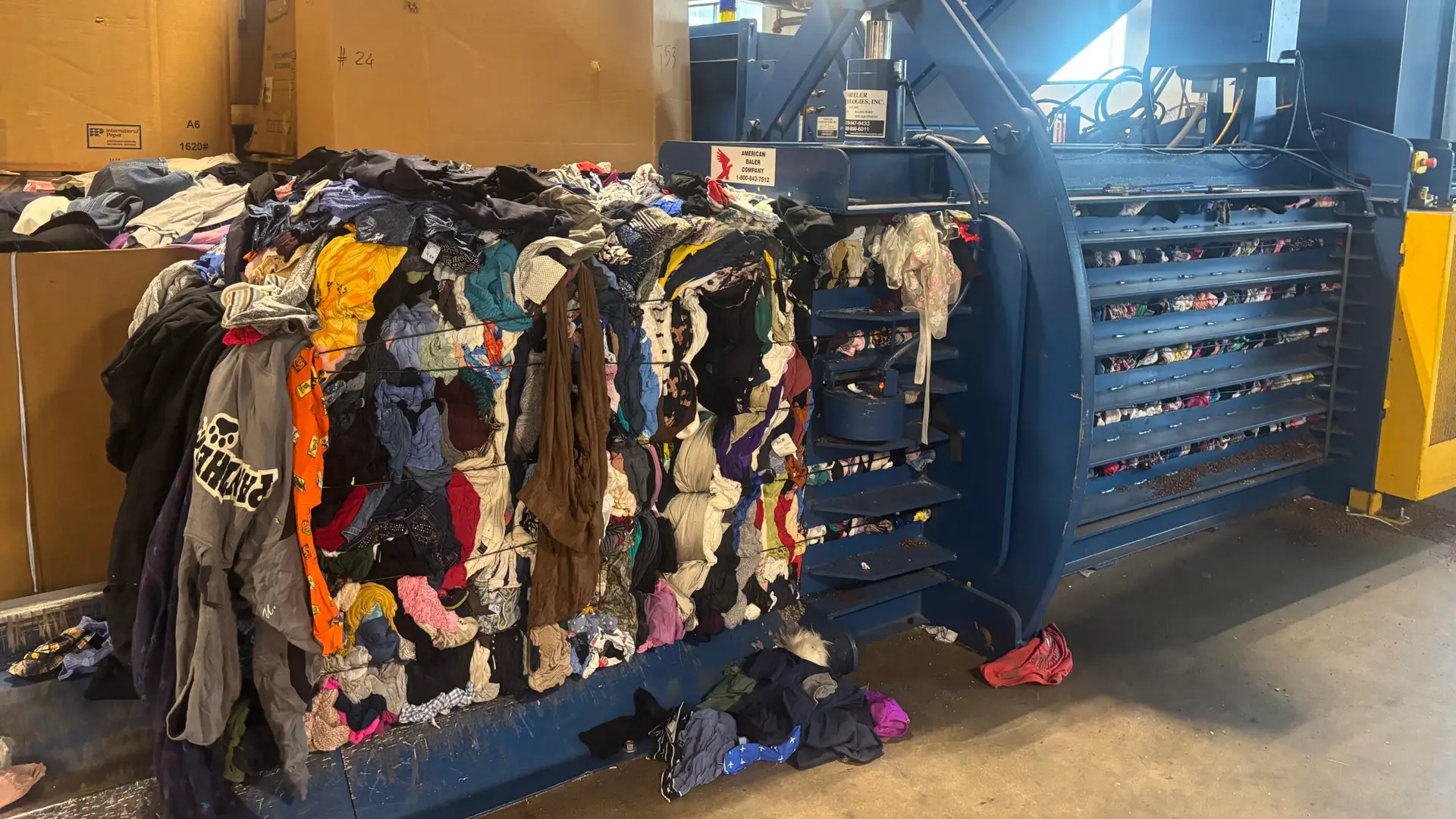
Donations are sorted for re-sale or given to recycling partners.
Not every item can be accepted. The Salvation Army does not take fitness equipment such as treadmills, baby gear like car seats, bed frames, or mattresses. While tube televisions are discouraged, the organization has identified recycling partners who can handle them. Many electronics and metals hold significant recycling value and are carefully dismantled into components that can be resold.
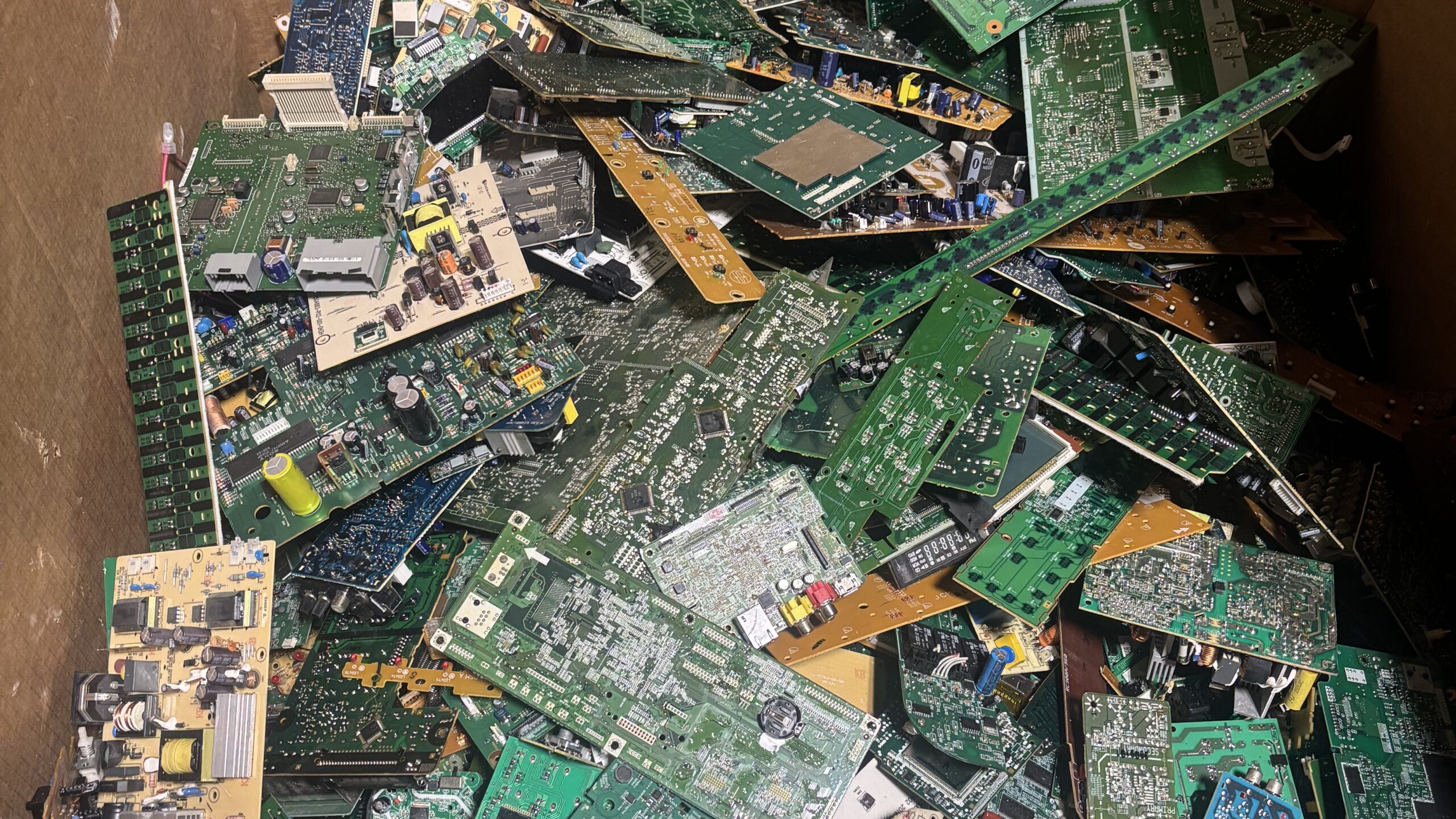
Many electronics components can be recycled.
“Everything is valuable,” says Justin Keene, a staff member at the ARC. His perspective reflects the organization’s broader mission: items that one person no longer needs may still serve a meaningful purpose for someone else. Even stained or torn clothing can be reused—as costumes, repurposed fabric, or simply as affordable clothing for those in need.
Clothing donations are especially important. Men’s clothing, in particular, is often in short supply. As Keene explains, men are more likely to wear their clothes until they are no longer usable and less likely to donate them. At the same time, many of the men served by the ARC arrive with only the clothes they are wearing and rely on donated items for basic needs.
Proceeds from store sales and recycled goods directly fund ARC programming, which helps individuals break cycles of addiction and repeated incarceration. For donors, this means that even the most worn or overlooked items can contribute to meaningful change in the community.
Event Details